Articles · 13 December 2023
ARE YOUR EMPLOYEES SECRETLY USING AI?
Dear Leaders of People Functions,
Dear Leaders of People Functions,
Artificial Intelligence (AI) is not just transforming the future of work; it is actively reshaping our present. However, this revolution is not always visible.
The Hidden Use of AI
A recent report by Fishbowl revealed a startling statistic: 68% of professionals using AI tools like ChatGPT are doing so without their manager's knowledge. This clandestine use of AI presents both opportunities and challenges. The report suggests that professionals are finding value in AI tools, but the hidden use raises questions about transparency and accountability within our organisations.
The Paradox of Trust and AI
A separate study by MIT delves deeper into our relationship with AI. The study found that AI tools like ChatGPT can significantly increase productivity in professional writing tasks. Participants in the study appreciated the outputs of ChatGPT, rating them highly for quality. However, an intriguing paradox emerged when participants were informed that the outputs were AI-driven. Despite their initial positive appraisal, their trust in the results decreased. This suggests that while AI can enhance productivity and output quality, awareness of its involvement can lead to a decrease in trust. This absence of trust might be a reason why AI use is being hidden from managers.
In my professional experience, I've observed varying levels of adoption of chat and GPT technologies across organisations. HR functions that have fully embraced these technologies have seen significant productivity gains. For instance, they've been able to draft policies in mere minutes instead of days.
Navigating the AI Revolution
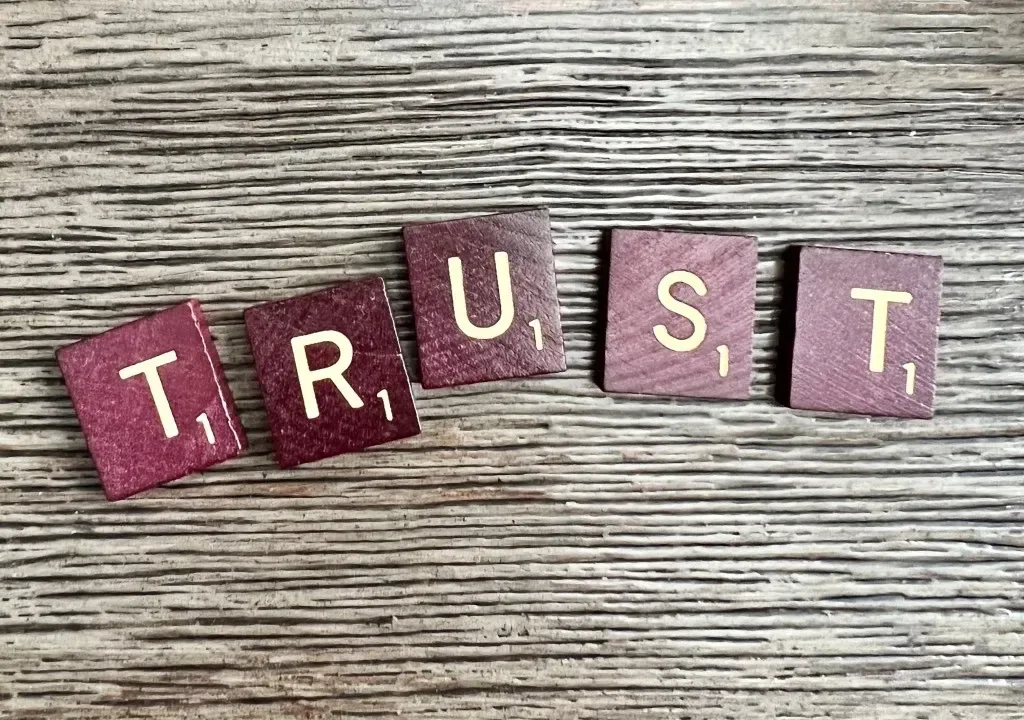
As AI continues to disrupt the workplace, leaders need to be at the forefront of navigating these changes. Trusting your people means acknowledging their ability to use AI tools effectively and ethically, and creating an environment where they feel safe to openly discuss their use of such tools.
Here is a checklist of five key actions for leaders:
- Foster Transparency: Encourage open discussions about AI use in the workplace. Make it safe for employees to share their use of AI tools.
- Promote Trust: Trust your employees to use AI tools responsibly. Recognise their ability to leverage these tools to enhance productivity and output quality.
- Develop Skills: Equip your employees with the skills they need to leverage AI tools effectively. This includes understanding the capabilities and limitations of the AI, as well as basic troubleshooting.
- Establish Guidelines: Develop clear policies around the use of AI in the workplace to ensure ethical and data protection practices.
- Enhance Communication Skills: For tools like ChatGPT, effective communication skills are crucial. Train employees to clearly delegate to and coach platforms to get the most useful output from the AI.
Conclusion
The rise of AI in the workplace is a reality we cannot ignore. As leaders, the task ahead is to navigate this new landscape wisely, harnessing the power of AI to transform the workplace while ensuring ethical and responsible use. However, the key to this transition is not the technology itself, but in our ability to trust our people.
Call to Action
How is your organisation navigating the rise of AI in the workplace? What steps are you taking to build trust with your employees in the age of AI? Share your thoughts and experiences, and let's learn from each other as we navigate this revolution together.
The possibilities with AI are endless - here's just a few to kick start
your thinking...
Content Creation: Assists in generating content for blogs, websites, and marketing, particularly useful for content marketers and copywriters. Also helpful in HR for creating job summaries and interview questions.
Where does your organisation actually sit?
PRISM answers with evidence rather than opinion.
Explore PRISM